
October 3 2025
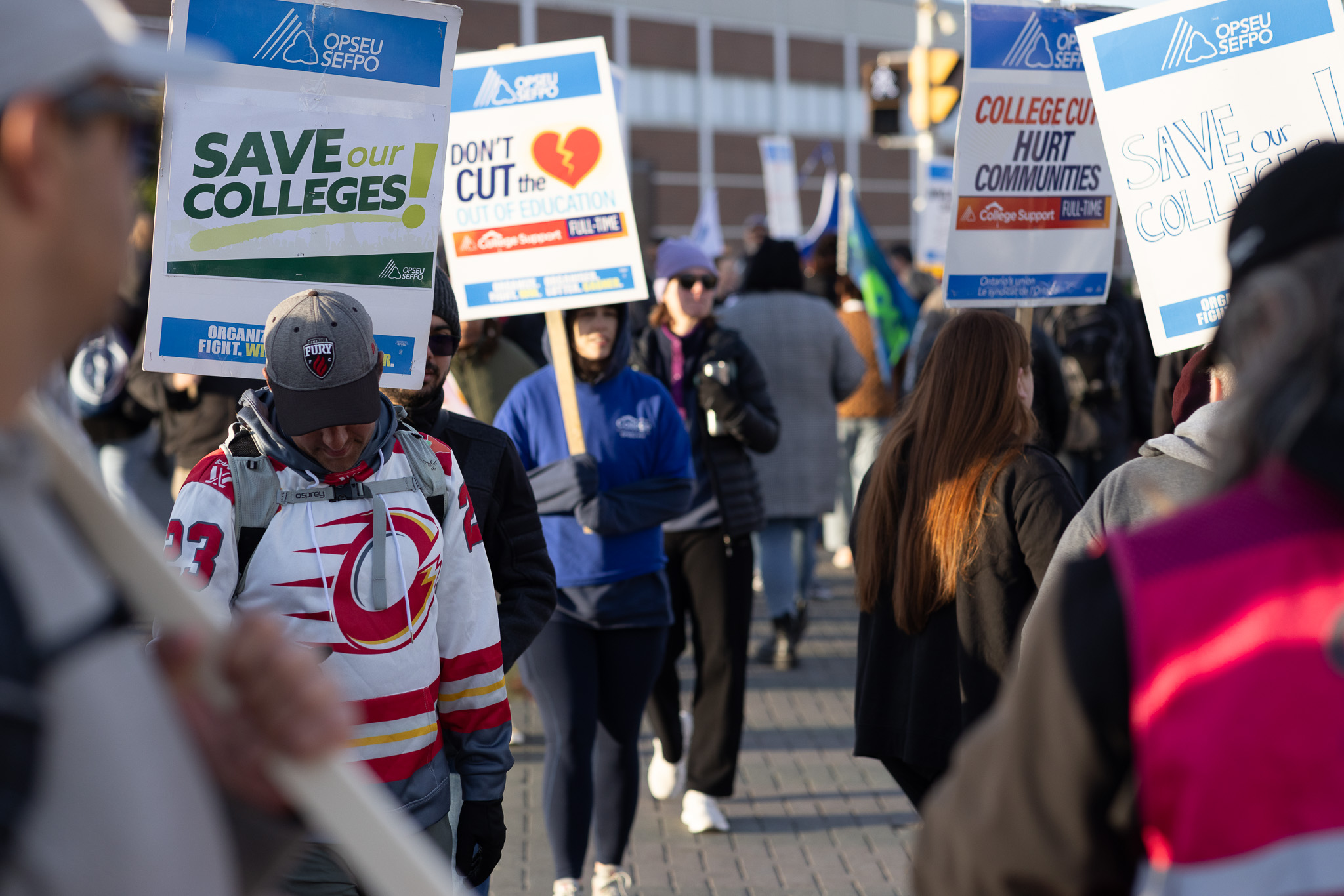
The first day of NUPGE’s all-committees meeting began with a powerful show of solidarity. Early in the morning, committee members from across the country were on the picket line to support Ontario college workers who are fighting for the future of public education in the province. It was yet another reminder that the struggles of one union are shared by all of us.
By 8:30 a.m., delegates were back in session to begin the scheduled program. NUPGE Secretary-Treasurer Jason MacLean welcomed members once again, setting the tone for the next two days. He underscored the importance of every committee and every committee member’s voice, emphasizing that NUPGE committees are central to the work of the union. “This is a two-way conversation,” he said, “the advisory work of committees is essential for shaping the decisions of our union’s Executive Board.”
In his introductory remarks, MacLean gave an overview of the national landscape, highlighting ongoing bargaining and strike actions underway across the country as clear evidence of the challenges facing workers everywhere. Turning to the federal level, he warned that the new Carney government is attempting to normalize an austerity agenda, but workers know better. “History shows austerity policies are never a solution,” he said,” and unions have always fought back against them.”
MacLean introduced the NUPGE committees which are each chaired by a Board member. NUPGE committees help members build connections across unions, share ideas, experiences and insights, tackle common challenges and bring advice forward to the National Executive Board.
“Thank you for stepping up to do this work,” MacLean told participants. “The work of this union does not get done, or enhanced, without your input.”
Inequality and the cost of living
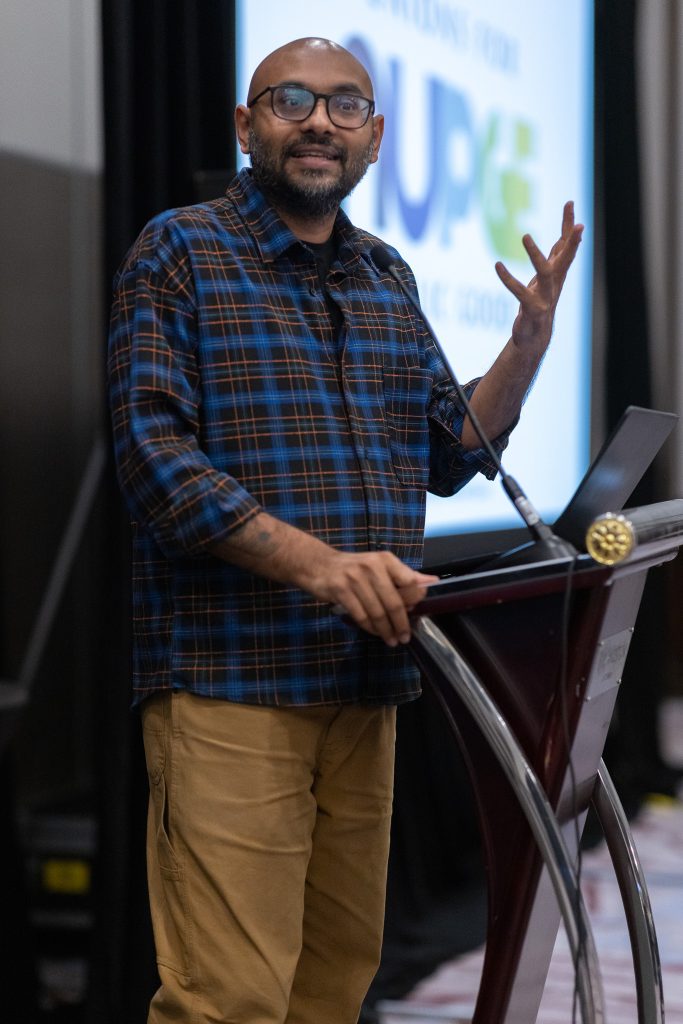
The day’s keynote address came from Migrant workers Alliance for Change’s Executive Director Hussan Syed, who spoke to the meeting’s central theme: the cost-of-living crisis. Syed pointed out that inequality continues to deepen as Canada shifts away from public goods toward privatized solutions that isolate and exclude.
Drawing on data and lived examples, he demonstrated how workers are producing more and working harder than ever, yet wages remain stagnant. He showed that the impacts heaviest on young workers, women, racialized and Indigenous people, migrant workers, queer and people with disabilities. “As we can see, these damaging trends have accelerated dramatically over the past decade” he noted.
Syed said that unions are one of the most powerful tools available to confront inequality, and by rejecting individualization and privatization, choosing instead to stand together in solidarity, unions embody the vital principle that “an injury to one is an injury to all.” He urged members to continue the essential work of getting involved to build solidarities that extend across workplaces and communities.
Practical work in action
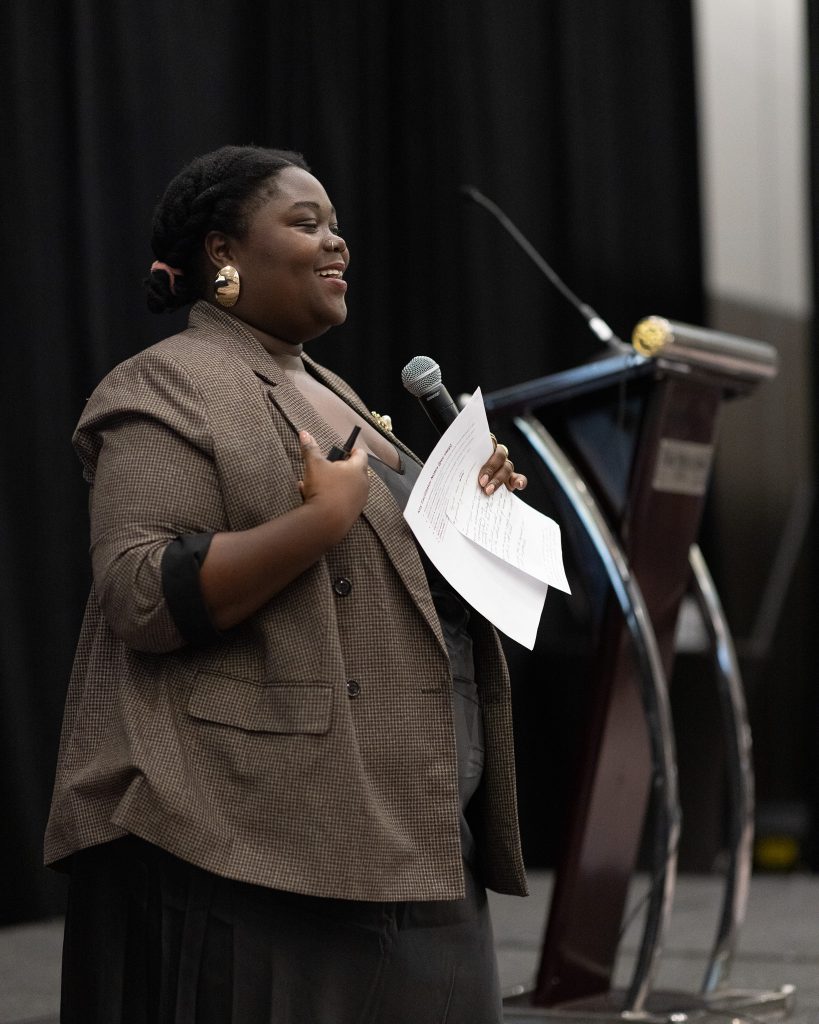
The rest of the afternoon was dedicated to hands-on committee work. Members broke into small groups for a practical exercise designed to foster collaboration, working through challenges together and developing effective strategies and plans.
The meeting continues Friday with each committee digging deeper into the multiple ways a the cost of living crisis impacts their workers and communities.