
May 26 2026
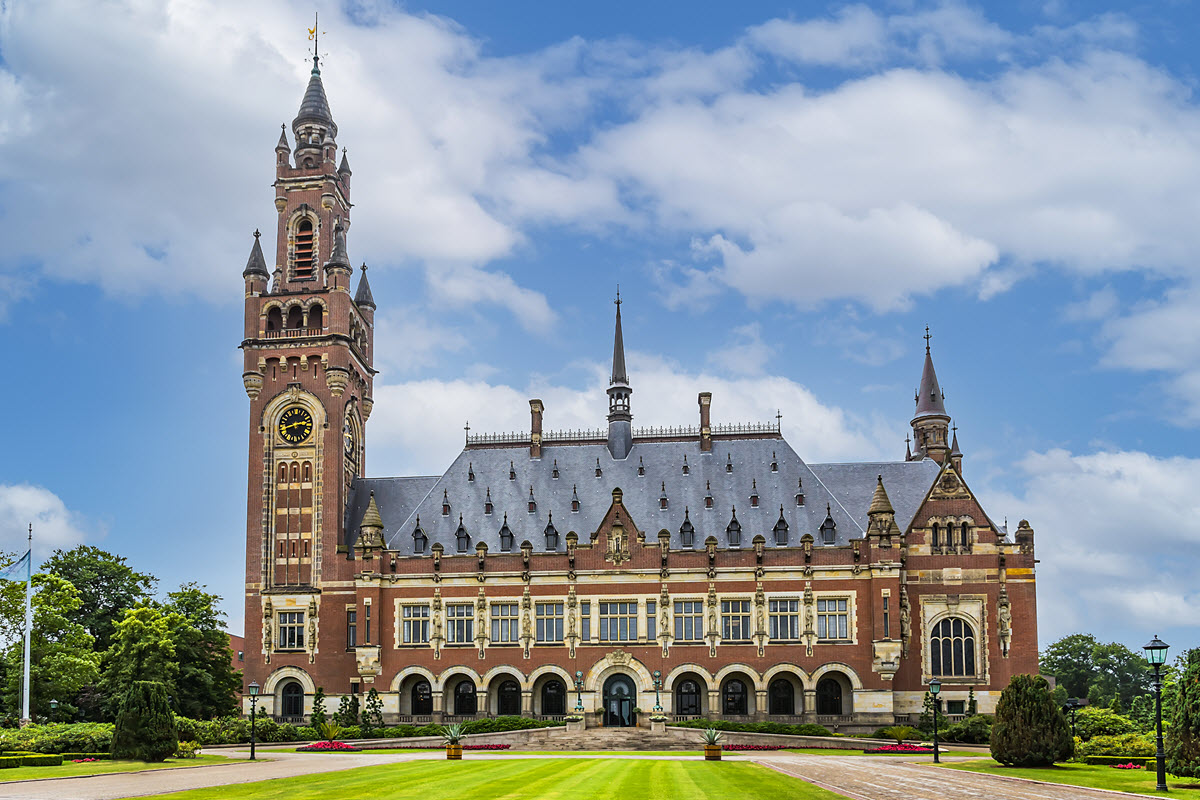
The National Union of Public and General Employees (NUPGE) welcomes the recent International Court of Justice (ICJ) ruling which affirmed that workers’ right to strike is protected under a key International Labour Organization (ILO) Convention on freedom of association and the right to organize.
The case stems from a dispute at the ILO, where employers tried to argue that the right to strike was not enshrined under the treaty because it was not explicitly mentioned. The workers’ group, which includes the Canadian Labour Congress, maintained that the right to strike is inherent in the freedom of association. Unions played a pivotal role in getting the ILO to refer the case to the ICJ and providing supporting information. In an advisory opinion on May 21, the ICJ determined that ILO Freedom of Association and Protection of the Right to Organize Convention (No. 87) does, indeed, encompass workers’ right to strike.
“At a time when workers’ rights are under attack in Canada and around the world, the ICJ’s ruling on the right to strike is significant, and it should be instructive for employers and governments,” said Bert Blundon, President of NUPGE. “This decisive ruling can and should have important implications for workers’ ability to take job action and for free and fair collective bargaining.”
Although ICJ advisory opinions are not binding, they can have significant political and legal impact. This ICJ opinion could inform labour laws and also provide support in legal cases related to the right to strike.
The ruling is especially important as governments and employers try to curb the right to strike in Canada. This includes governments abusing the notwithstanding clause to force striking workers back to work and the federal government using Section 107 of the Canada Labour Code to end strikes. These interventions undermine workers’ Charter-protected rights to bargain collectively and to strike.
Now, the Carney government is considering labour law changes that could further restrict workers’ right to strike. The government is eyeing amendments to the Canada Labour Code, which applies to workers in federally regulated sectors like airlines, ports, railways, telecommunications, and banking. Among the proposed amendments are designating more workplaces as essential services and revisions to Section 107 that would further limit workers’ ability to take job action, effectively undermining workers’ collective power.
“NUPGE is deeply concerned by the quietly announced Canada Labour Code review and the rushed, invite-only consultations, given the far-reaching implications impact on workers’ Charter rights,” said Blundon. “The federal government—and provincial and territorial governments too—should heed the international court’s decision and stop going after workers’ Charter rights. We know that, when one group’s rights are under attack, none of our rights are safe.”