
December 22 2025
The National Union of Public and General Employees (NUPGE) is supporting the humanitarian response to the crisis caused by the conflict in Sudan.
Since 2023, Sudan has been suffering a devastating war, stemming from a power struggle between the Sudanese Armed Forces (SAF) and the paramilitary group Rapid Support Forces (RSF). The death toll continues to climb, and civilians have been targeted by both forces. The RSF massacres against civilians, particularly targeting the Massalit people and other non-Arab communities, are shocking.
The UN High Commissioner for Refugees estimates that nearly 12 million people have been displaced by the conflict, in what has become the world’s largest displacement crisis. This includes about 4 million people who have had to flee the country.
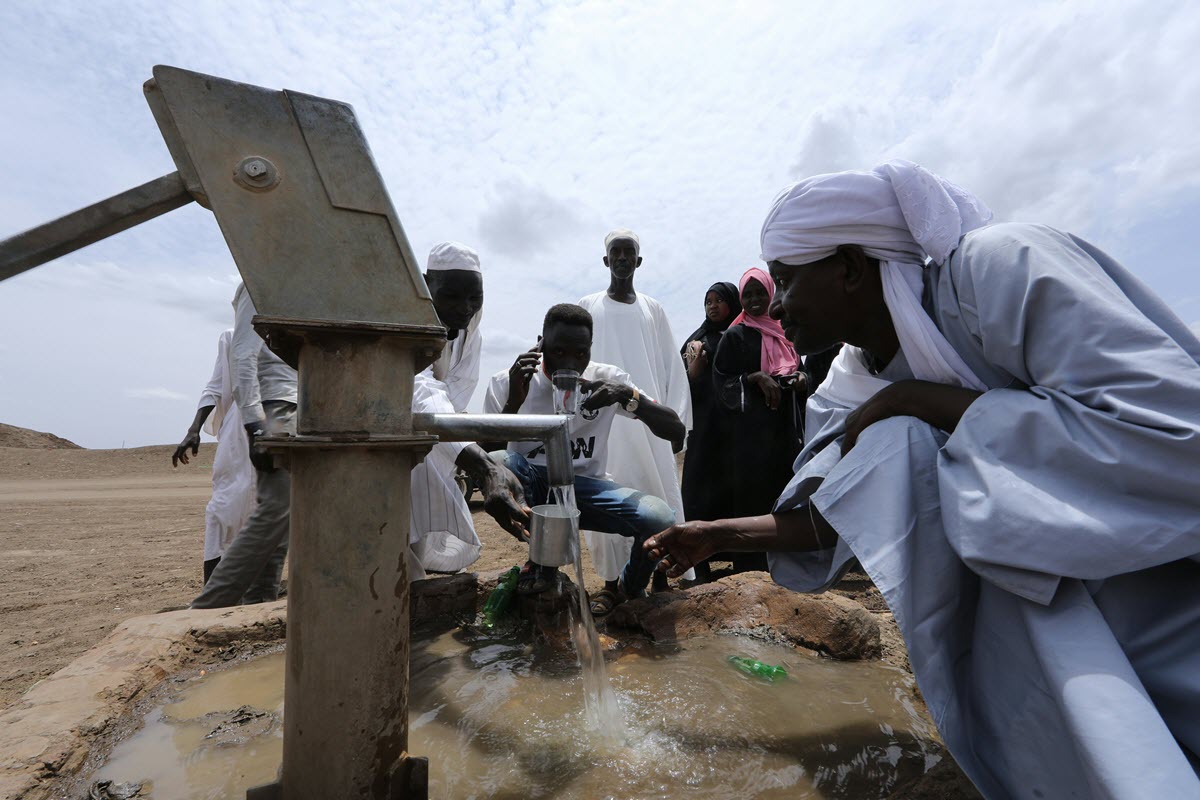
All of this has fueled a humanitarian crisis in Sudan. Humanitarian and rights groups have warned of the risk of famine. Essential public infrastructure, including health care facilities, has been decimated. There is also a growing crisis in neighbouring countries where refugees have fled. People are facing acute hunger and lack of access to clean water and sanitation, and local resources and infrastructure are strained. The impact of severe weather and disasters like droughts and flooding, which have been made worse by climate change, have further exacerbated the situation in South Sudan.
Through its John Fryer Fund, NUPGE has contributed to Oxfam’s humanitarian response to the refugee crisis. Oxfam is supporting community-led efforts that are responding to the water, sanitation, and hygiene (WASH) crisis as well as providing health, safety, and food security supports, in Renk County on the border of Sudan and South Sudan. The interventions also support long-term solutions.
Women, girls, and gender diverse people are uniquely affected by conflict. This is clear in the war in Sudan, where gender-based violence has been rampant. The crisis in the refugee camps is also having gendered impacts. For example, pregnant people are facing increased risk due to malnutrition, lack of access to health care, and exposure to infectious diseases. Oxfam’s response has placed an emphasis on the needs of vulnerable groups, including women and girls.